
Why Attend the Kuala Lumpur International Conference?
Attending the Kuala Lumpur international conference on teaching and education is more than a professional task. Kuala Lumpur combines modern education policy, diverse classrooms, and well-planned public spaces. This gives educators and researchers a clear view of how teaching ideas work in daily life, not just theory.
The city is well-connected to Asia, the Middle East, Europe, and Australia. Flights arrive daily, and conference venues are close to hotels and transport lines. This setup keeps travel simple and helps participants focus on sessions and academic networking at a teaching conference in Malaysia.
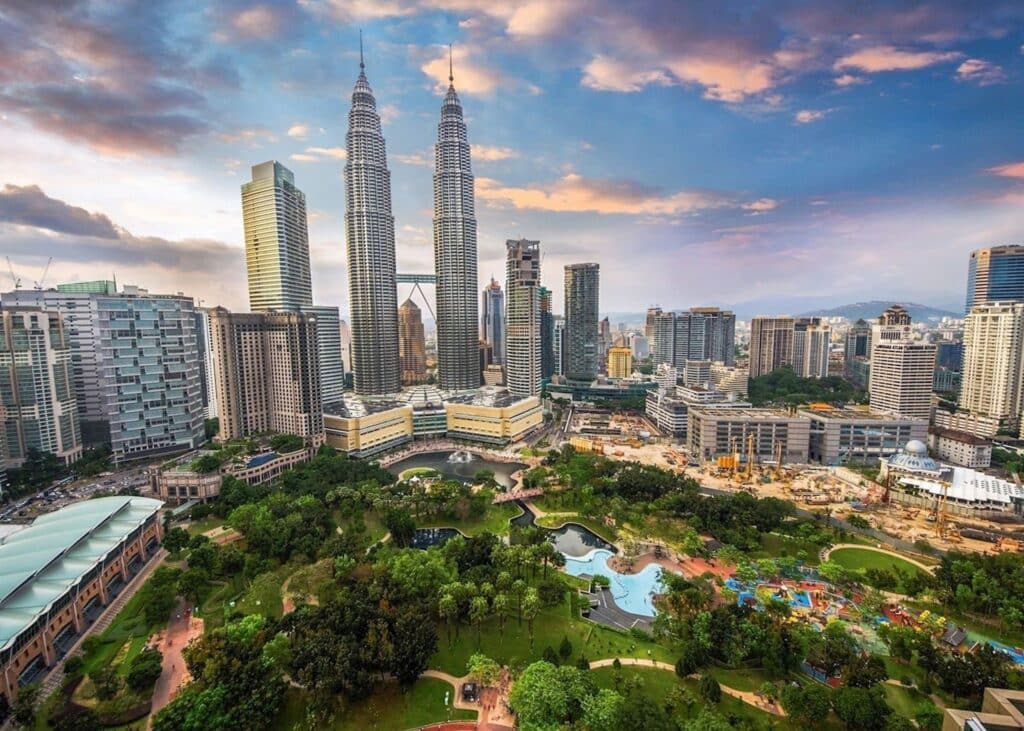
Kuala Lumpur as a Hub for Education Conferences
Kuala Lumpur has hosted many teaching-focused academic events. Venues range from university halls to large convention centers. These spaces support keynote talks, panels, workshops, and poster presentations at a teaching conference in Malaysia.
Universities and teacher training institutes often participate. Local scholars join panels and chair sessions, adding regional classroom experience to global research topics. This mix keeps sessions practical and grounded in real teaching practice.
Focused Learning at the Kuala Lumpur International Conference
Malaysia emphasizes education reform, digital learning, and teacher development. Many studies presented at a Kuala Lumpur international conference focus on curriculum design, classroom tools, student assessment, and teacher training.
For PhD students and early-career researchers, this creates a strong learning environment. Case studies from Southeast Asia help compare teaching models across regions. Participants see how research connects to real classrooms, teacher preparation, and education systems.
Education Themes Reflected Across the City
Conference topics on teaching link closely to daily life in Kuala Lumpur. Schools, colleges, training centers, and libraries appear across the city. Public signs often use multiple languages, showing how language learning works in practice.
Sessions on inclusive education reflect how public spaces serve different age groups. Talks on digital learning connect to how students and teachers use technology daily. Attending a Kuala Lumpur international conference lets researchers observe learning theories outside the hall.
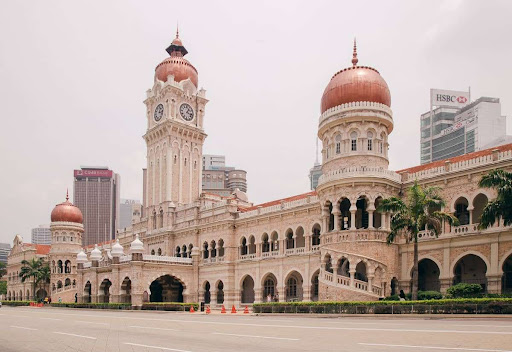
Easy Movement Between Venues and Learning Sites
Public transport in Kuala Lumpur includes trains, buses, and taxis linking key areas. Conference venues often sit near stations, making movement easy for first-time visitors.
Hotels near education centers and event halls reduce travel stress and keep schedules balanced. Short walks between sessions allow reflection and informal discussions with other participants at a teaching conference in Malaysia.
Cultural Areas as Learning Spaces
Cultural districts enrich education research visits. These areas help scholars see how history, language, and community shape learning:
- Chinatown: trade history and family-run education traditions
- Little India: language use, religious learning, and community schools
- Kampung Baru: Malay culture within a modern city
These districts are easy to reach and fit naturally into free time between sessions at a Kuala Lumpur international conference.
Museums and Education Resources
Museums in Kuala Lumpur support practical learning. The National Museum explains education history and social change. The Islamic Arts Museum shows the connection between learning and culture. The Bank Negara Museum covers economics and public education.
These visits help link session topics to wider social learning systems, enhancing the value of a teaching conference in Malaysia.
Food, Community, and Informal Learning
Food spaces in Kuala Lumpur reflect shared learning across cultures. Hawker centers and cafés bring people together from different backgrounds. For education researchers, these spaces show how language, behavior, and social rules work in shared settings.
Meals become quiet learning moments where observation supports research thinking during a Kuala Lumpur international conference.
Informal Academic Contact
Beyond formal sessions, learning continues in cafés, hotel lounges, and public talks. Universities and cultural centers often host open lectures on education, literacy, and social studies.
These settings allow relaxed academic conversation. Observing and discussing adds depth without pressure at a teaching conference in Malaysia.
Respect and Observation
Public life in Kuala Lumpur follows clear social rules. Signs guide behavior, and shared spaces remain calm. Education researchers see how structure supports learning environments. Respecting local norms ensures positive interaction and clear observation, especially in schools, libraries, and religious places during a Kuala Lumpur international conference.
Lasting Academic Value
Lessons from the Kuala Lumpur international conference extend beyond the event. Notes, examples, and observations strengthen teaching practice and future studies. Research becomes connected to real classrooms, real systems, and real communities.
Attending a teaching conference in Malaysia combines formal sessions with practical observation. Museums, heritage sites, markets, streets, and local food provide tangible examples of culture, leadership, and education. Planning daily activities and exploring the city helps conference days become productive, educational, and memorable.

Conclusion: Why Kuala Lumpur Excels for Teaching Conferences
Kuala Lumpur stands out as a top choice for conferences on advanced research in teaching and education. The city supports academic work with clear systems, active universities, and rich cultural context. Conference participants gain more than papers and presentations—they gain understanding shaped by place and practice.
By attending a Kuala Lumpur international conference, educators and scholars connect theory with real-world learning systems. The city turns conference travel into a complete academic experience grounded in teaching, culture, and daily life.